Congratulations! Your order qualifies for free shipping You are £70 away from free shipping.

Cart 0

Congratulations! Your order qualifies for free shipping You are £70 away from free shipping.
Sorry, looks like we don't have enough of this product.

Pair with
Add order notes
Subtotal Free
Shipping, taxes, and discount codes are calculated at checkout

Trusted Karate Specialists Since 2009

Lightweight to heavyweight competition-ready karate suits trusted by practitioners worldwide.

Browse our Karate gi collection including lightweight training suits and WKF-approved competition uniforms. Whether you’re starting Karate or preparing for grading, we have the right fit and weight for your needs. Based in Lancashire since 2009 with fast UK dispatch and free delivery over £70.

Owari Tournament Series — Batch 01

Limited production 14oz Japanese & European cuts. Pre-order now open.
Filters

Product type
Price


£
-
£
Availability
Brand
Size
Colour
Gender
FAQ - Karate Suits

What is the best Karate gi for beginners?

A lightweight 6–8oz Karate suit is usually ideal for beginners as it’s comfortable and easy to move in.

Are your Karate suits suitable for grading?

Yes, our Karate gis are suitable for club training and grading. WKF-approved options are available for competition use.

How quickly will my Karate gi be delivered?

We dispatch from UK stock with £3.99 delivery under £70 and free delivery over £70.

Can I return or exchange if the size is wrong?

Yes, you can return or exchange in line with our returns policy. We recommend checking the size guide before ordering.

Karate Suit Buying Guide

What Weight Karate Gi Should I Choose?

Karate suits are usually described by fabric weight (often in ounces).

  • Lightweight (6–8oz) – Ideal for beginners and kumite (sparring). Lighter, cooler and easier to move in.
  • Midweight (8–10oz) – Good balance for regular club training.
  • Heavyweight (10oz+) – More durable and often preferred for kata and competition.

If you’re just starting training, a lightweight Karate gi is usually the best choice.

How Should a Karate Suit Fit?

A Karate gi should:

✔ Allow full movement when kicking and punching
✔ Have sleeves finishing near the wrist
✔ Have trousers sitting at the ankle
✔ Not feel tight across the shoulders

Karate suits are sized by height in centimetres. If you are between sizes, sizing up slightly can allow room to grow.

What’s the Difference Between WKF and Standard Karate Gis?

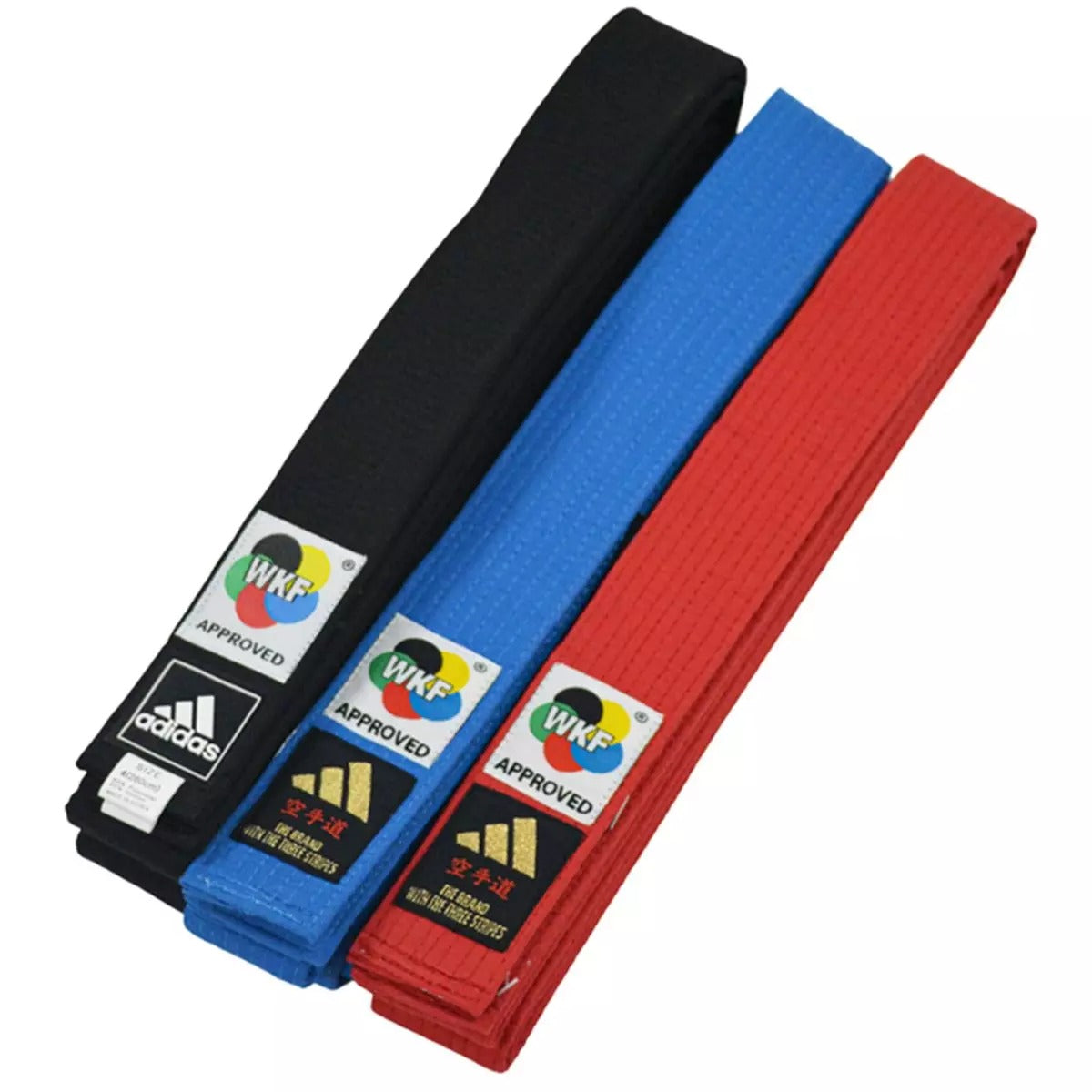
WKF-approved Karate suits are designed to meet World Karate Federation competition standards. These are typically required for official tournaments.

Standard Karate gis are perfect for club training and grading.

Always check with your club if you’re unsure.

Do Karate Suits Come With a Belt?

Many beginner Karate suits include a white belt. Some competition models may not include a belt.

Always check the product description for confirmation.

Karate Belts

Understanding the Significance of Karate Belts

Karate is not just a martial art; it's a journey of personal growth and discipline. A crucial aspect of this journey is the karate belt system, which signifies a practitioner's level of expertise and commitment. Let's delve into the significance of karate belts, their order, and what they represent in the martial arts community.

The History and Purpose of Karate Belts

The karate belt system originated in Japan, introduced by Jigoro Kano, the founder of Judo. The system's primary purpose was to provide a visual representation of a student's progress and to motivate practitioners to advance their skills. Over time, it was adopted by various martial arts, including karate, and has become a universal way of recognizing achievement and dedication.

Why Belts Matter

Belts serve multiple purposes in karate. They are a symbol of rank and experience, helping instructors gauge a student's skill level. They also instil a sense of pride and accomplishment in students, fostering motivation and perseverance. Moreover, belts encourage respect within the dojo, as students learn to honour those who have advanced further along the martial path.

Karate Belt Colors and Their Meanings

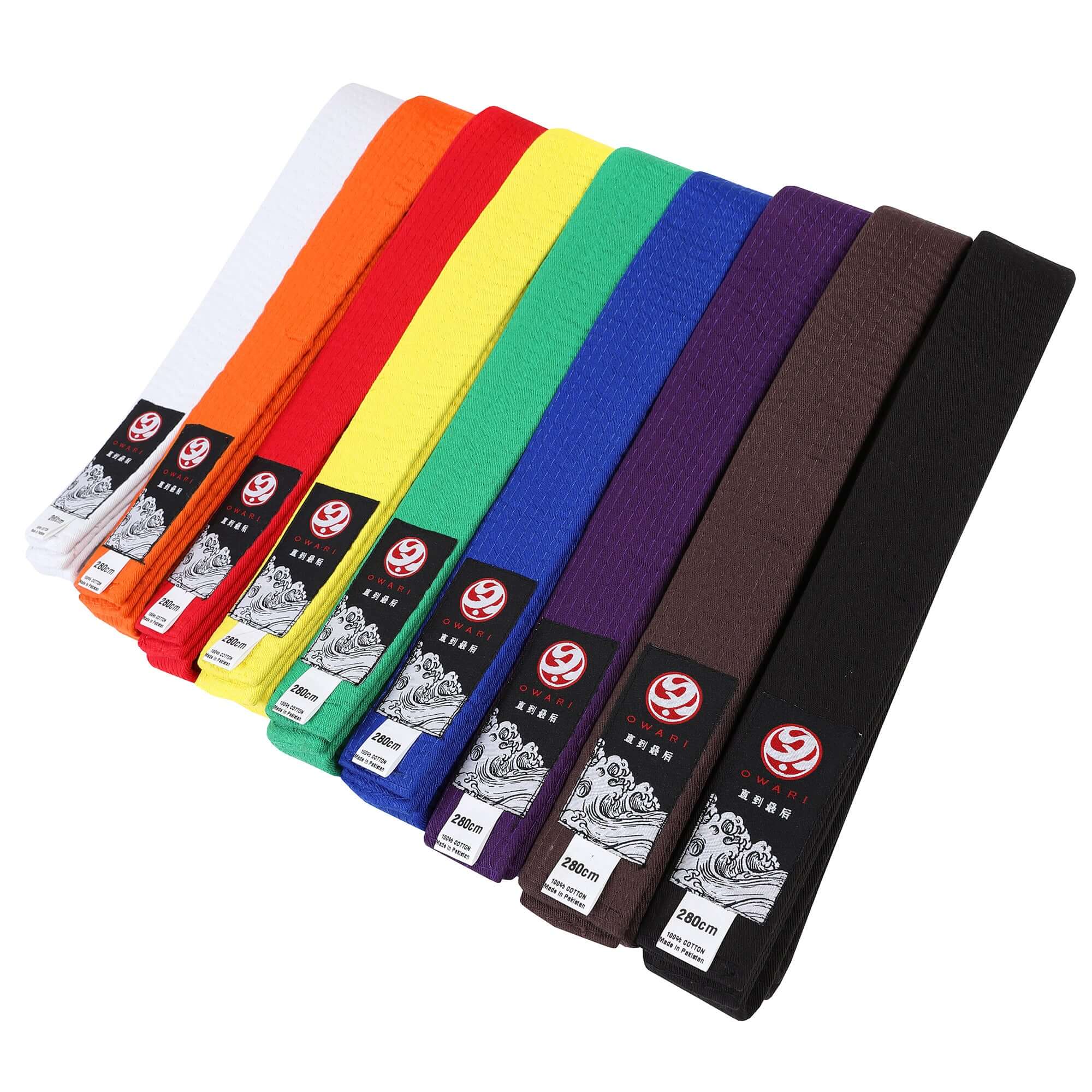
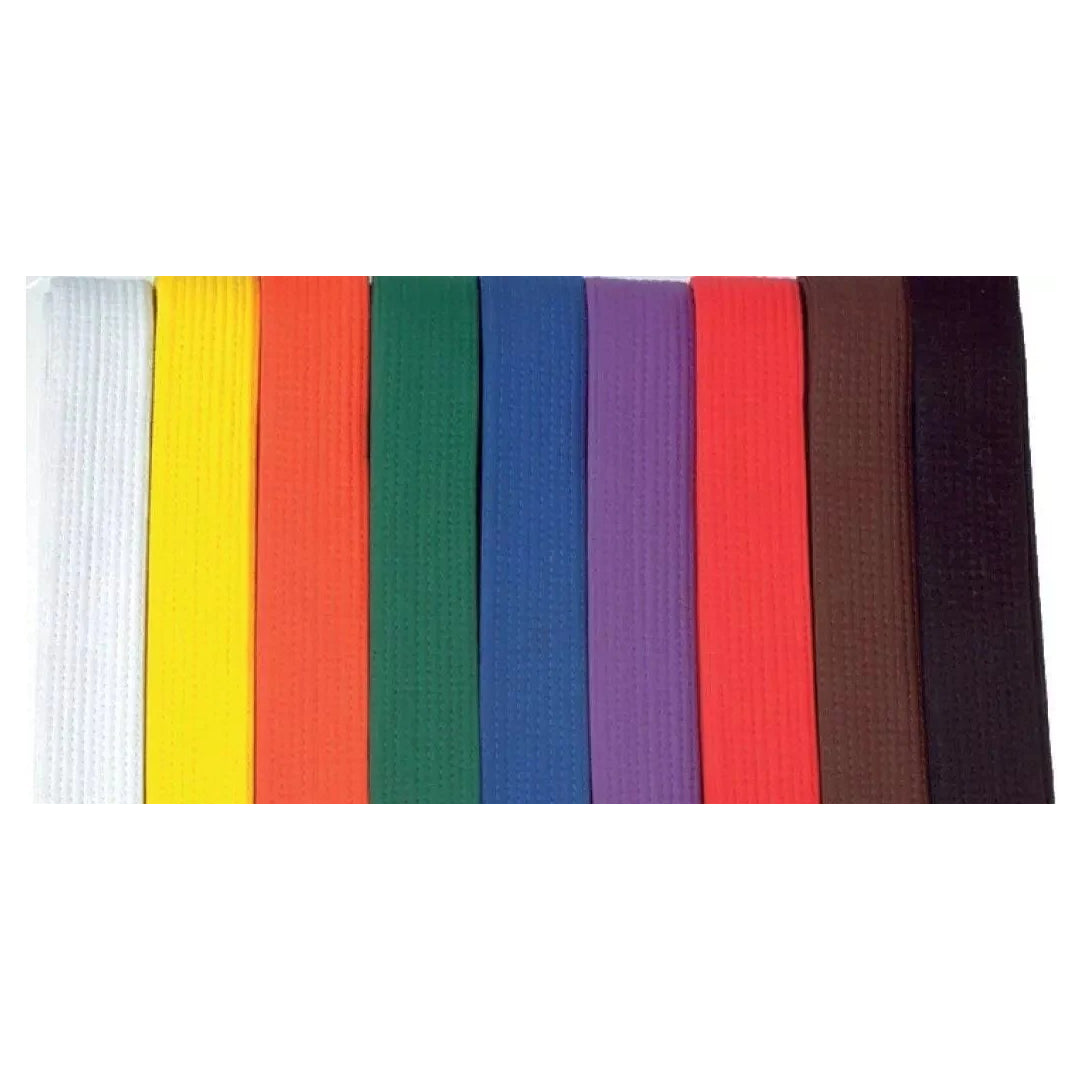
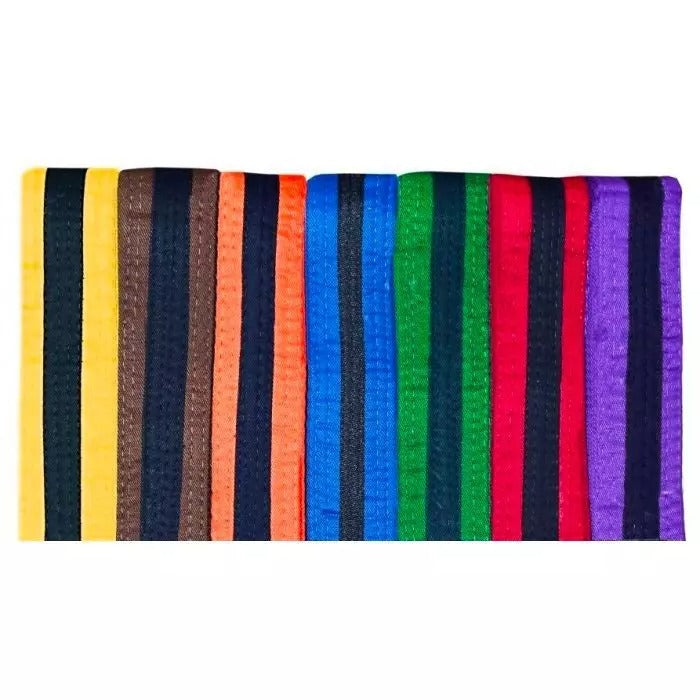
Each karate belt colour signifies a different level of proficiency, with each colour representing a stage in the practitioner's journey. Here's an overview of the typical sequence of belts in karate:

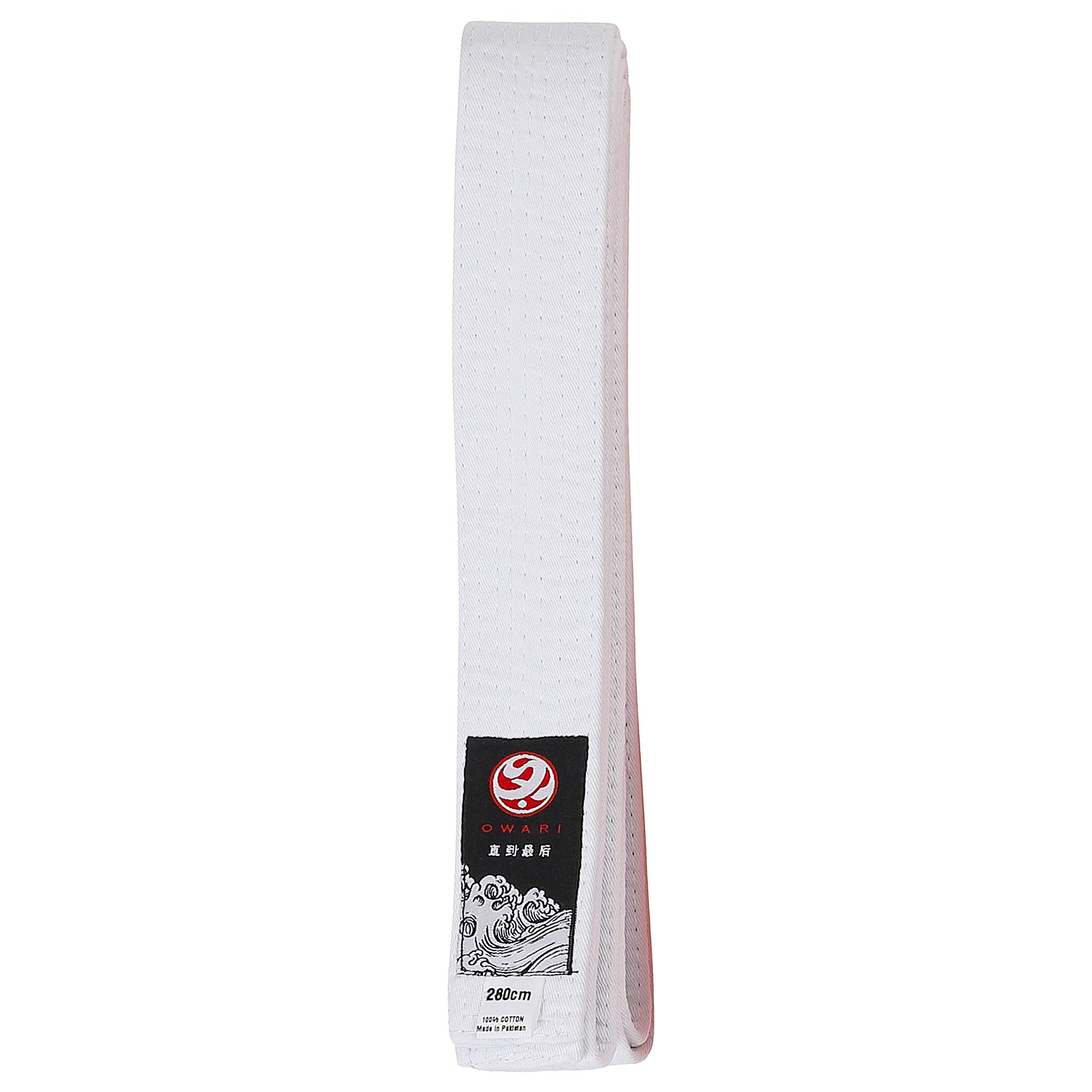
White Belt: The Beginning

The white belt is the starting point for all karate students. It represents purity, innocence, and a blank slate, symbolizing the student's initial foray into karate. At this stage, students focus on learning basic techniques and developing foundational skills.

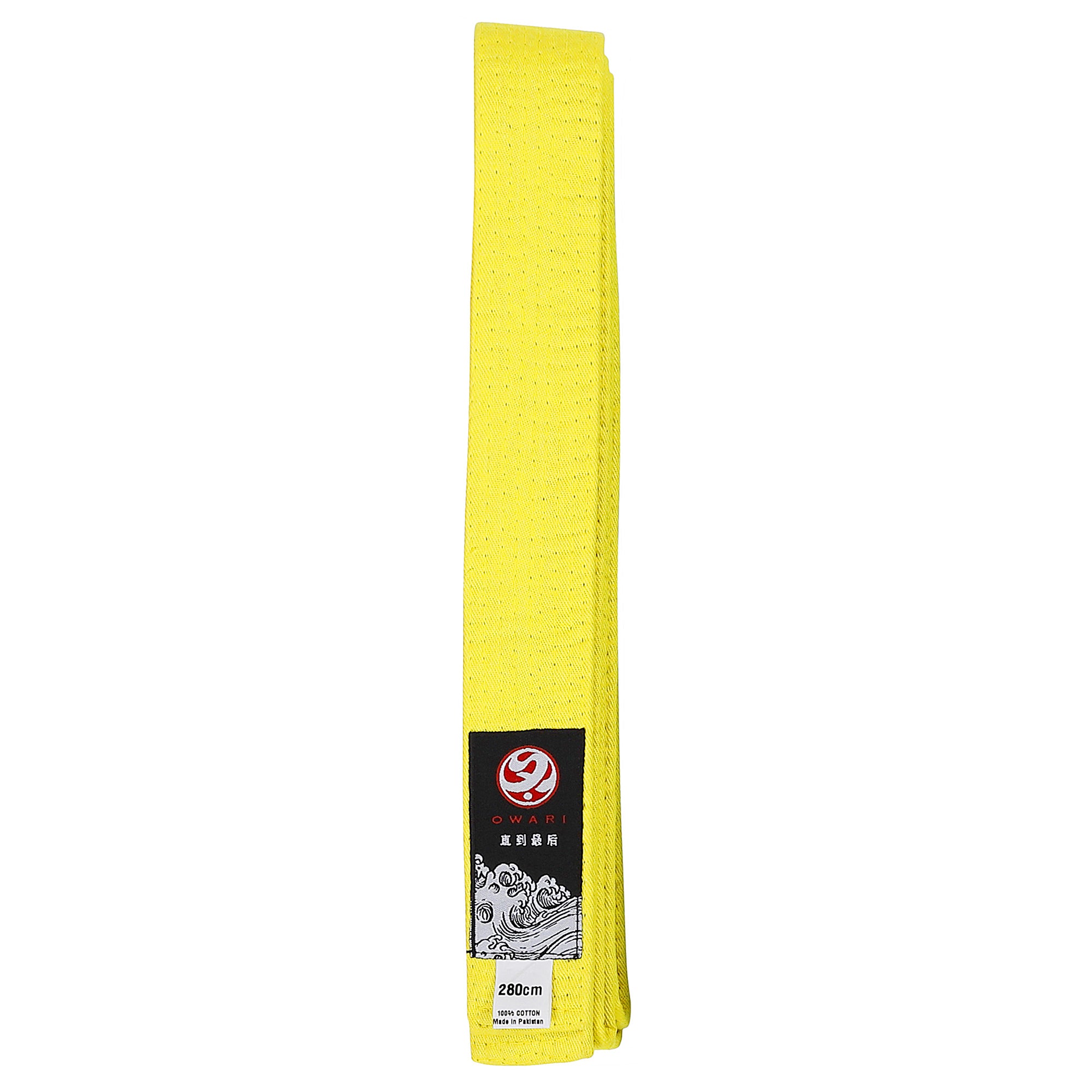
Yellow Belt: The Awakening

The yellow belt signifies the first glimpse of progress and understanding. Students are beginning to grasp fundamental concepts, and their skills are starting to blossom. This belt encourages students to remain committed as they continue to hone their techniques.

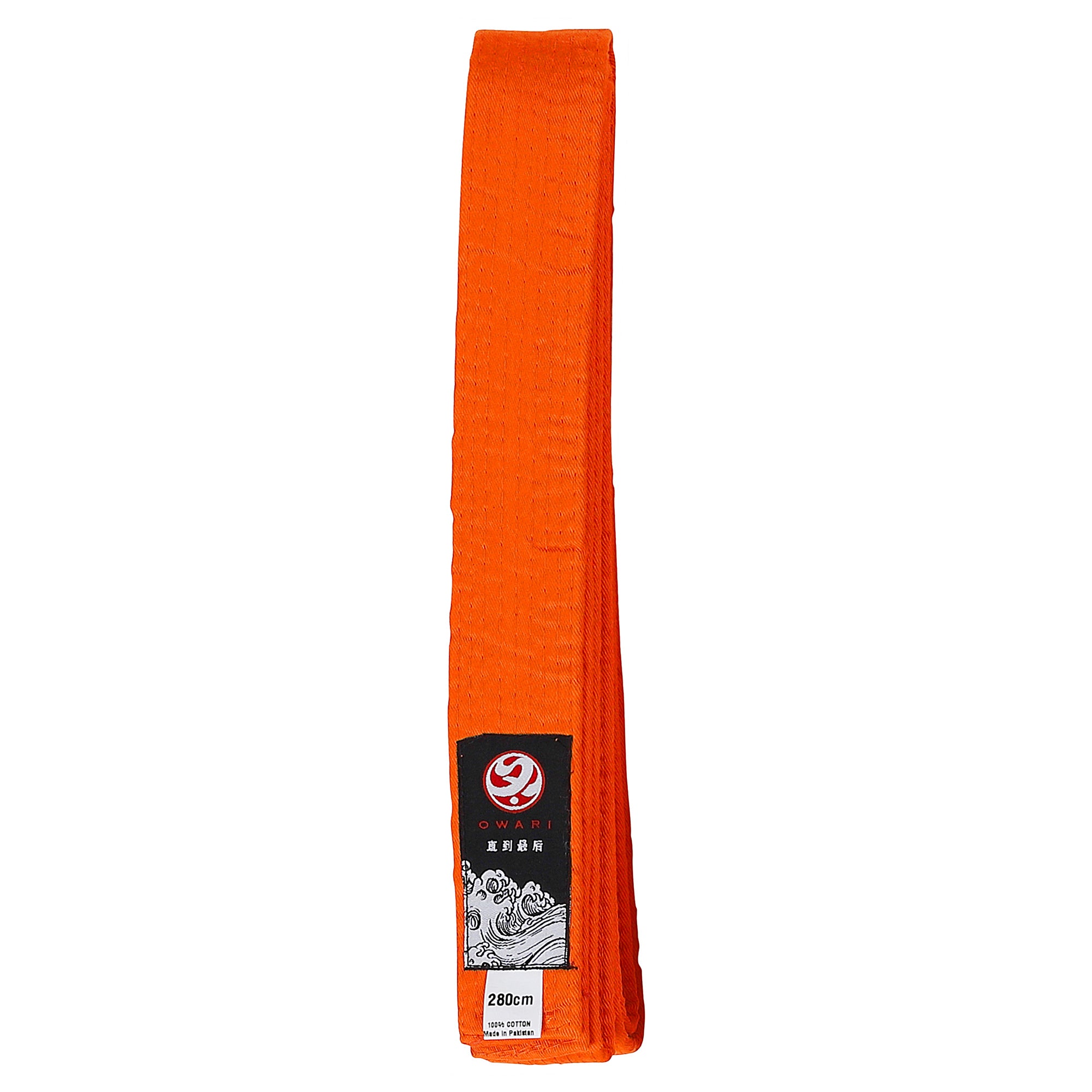
Orange Belt: The Expansion

With an orange belt, students have shown increased proficiency and dedication. The orange belt symbolizes the sun's warmth and energy, reflecting the practitioner's growing enthusiasm and confidence in their abilities.

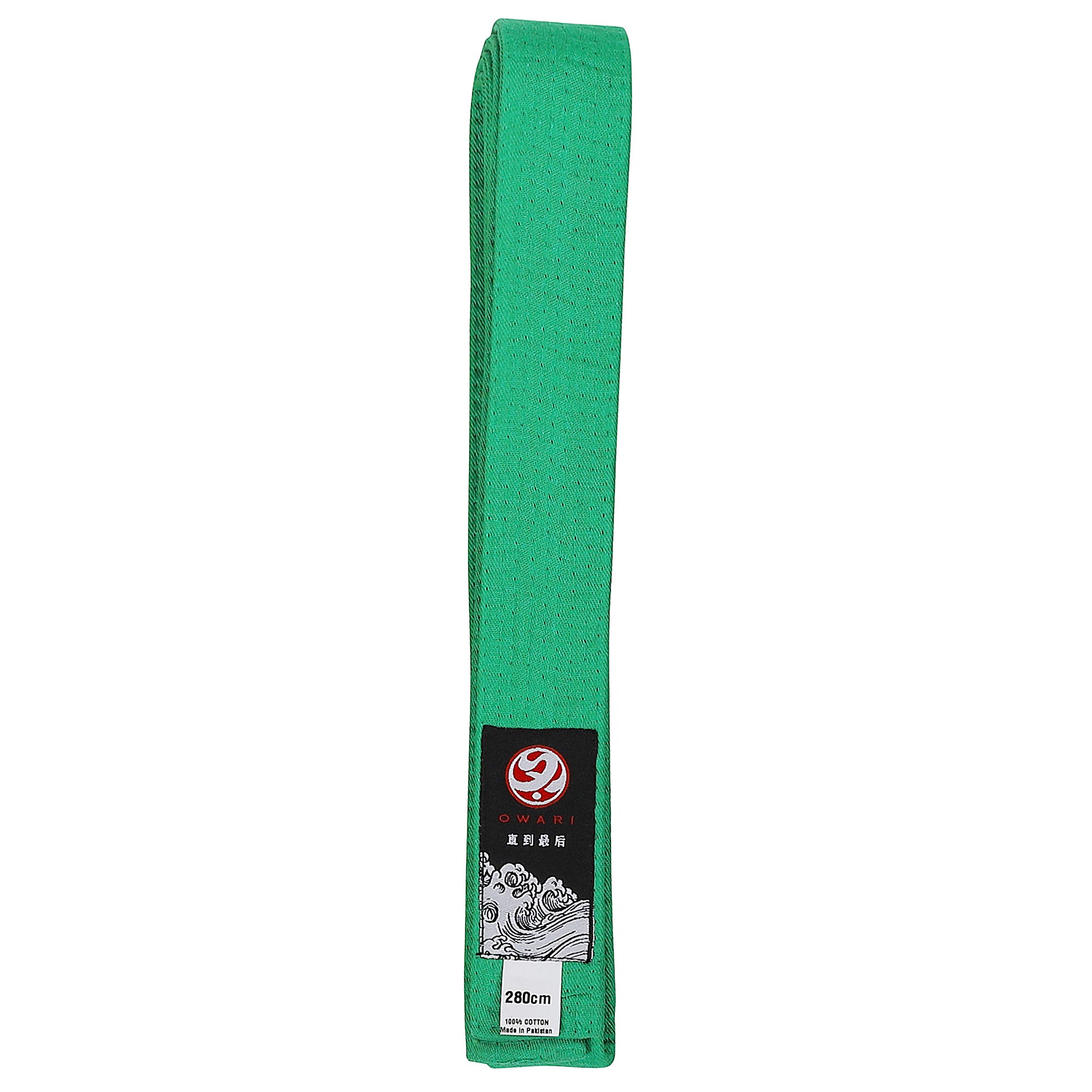
Green Belt: The Growth

The green belt represents growth and development. At this stage, students refine their techniques and deepen their understanding of karate principles. The green belt is a testament to the student's dedication and perseverance.

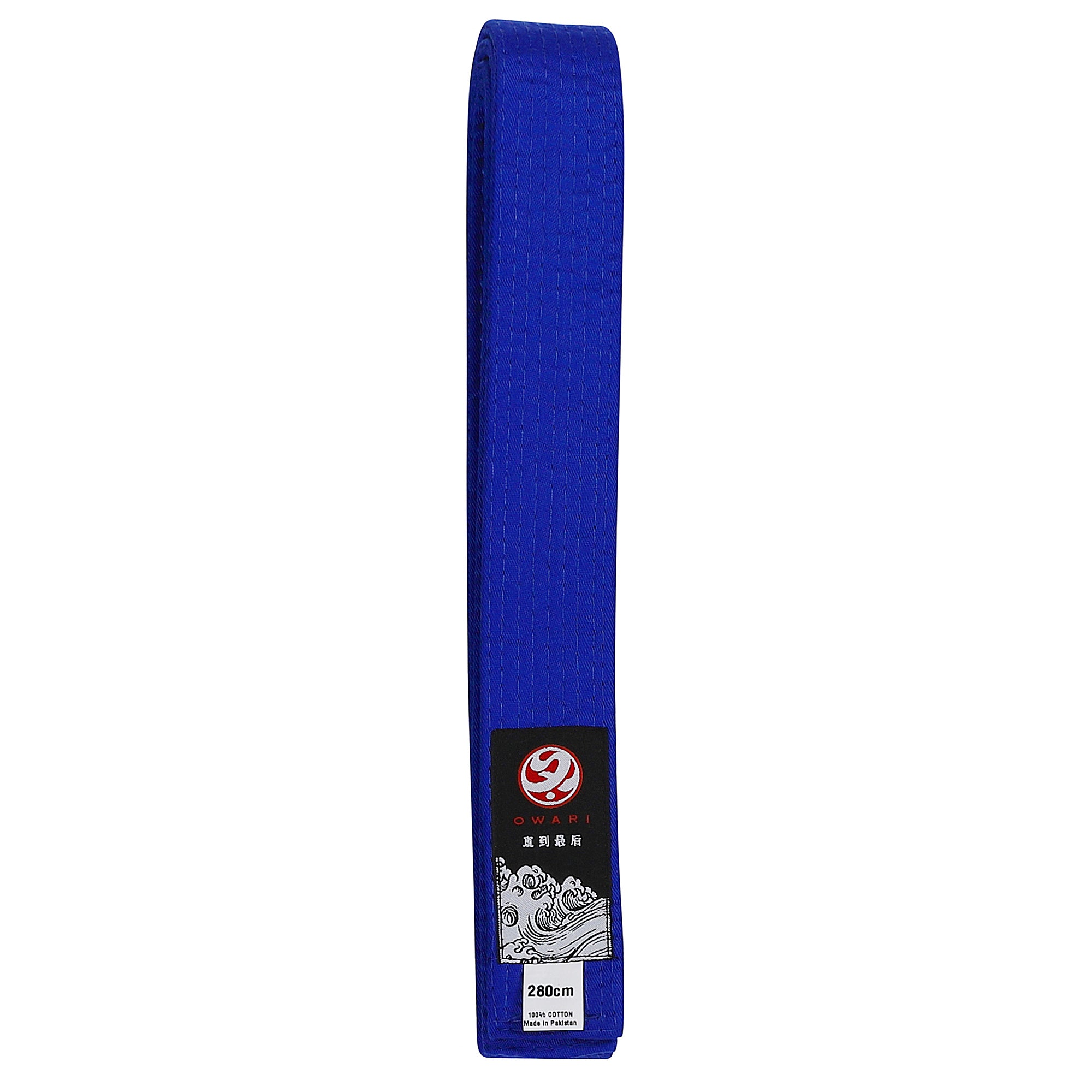
Blue Belt: The Depth

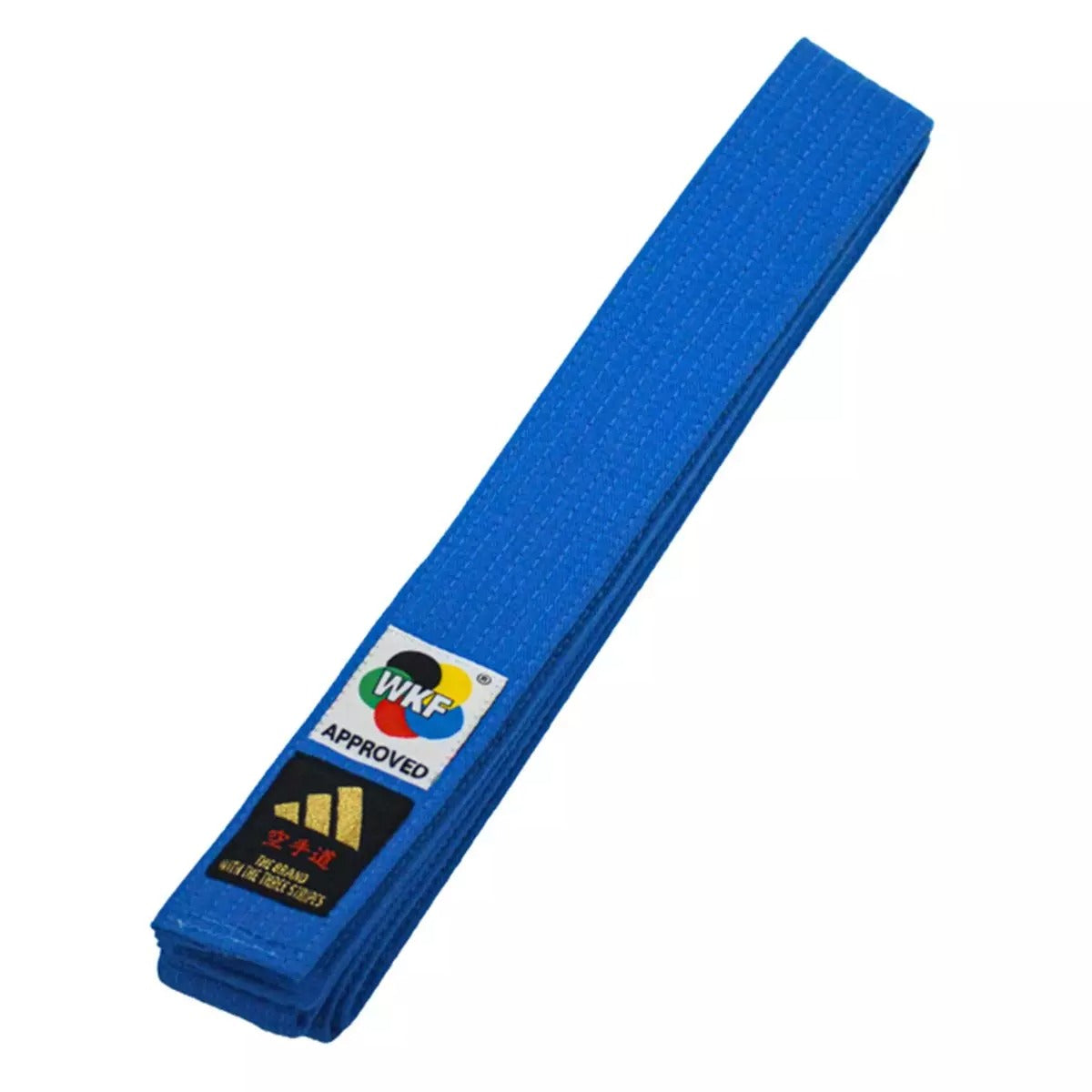
A blue belt indicates a deeper comprehension of karate. Students have developed a robust skill set and are now exploring advanced techniques and strategies. The blue belt symbolizes the vastness of the sky, representing the boundless potential for growth and improvement.

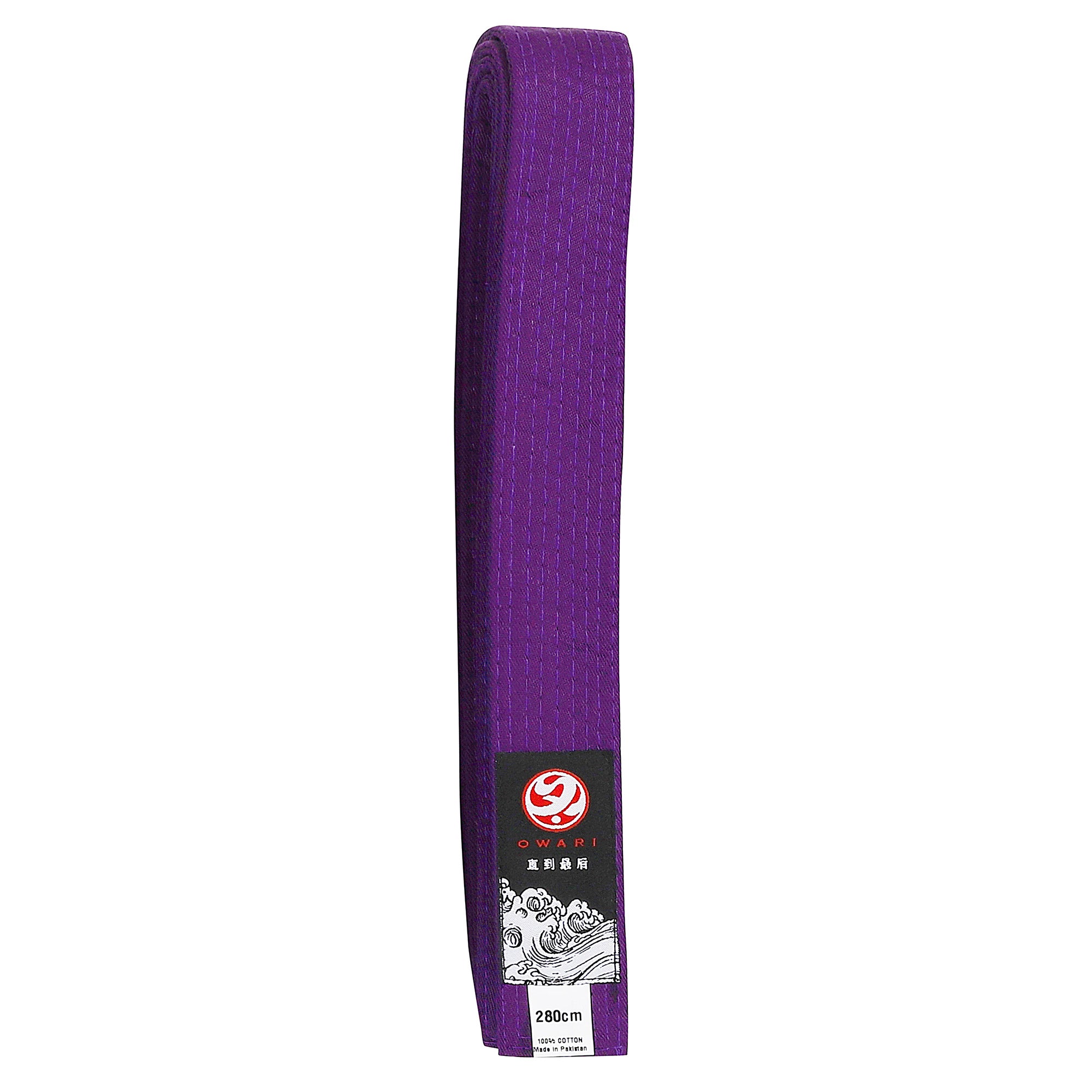
Purple Belt: The Maturity

The purple belt signifies maturity and the beginning of advanced study. Students at this level have demonstrated a high degree of skill and understanding, and they are encouraged to push their limits further.

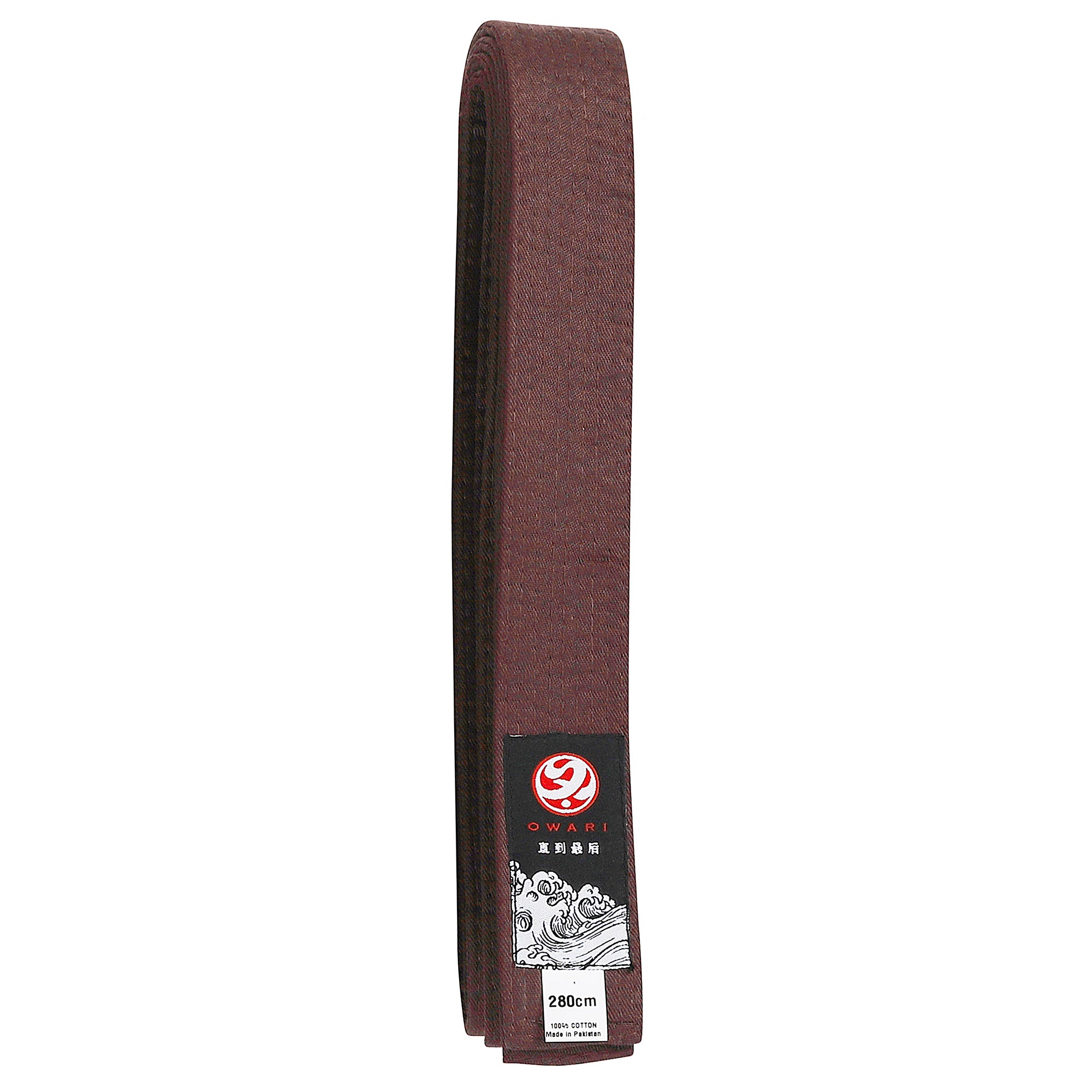
Brown Belt: The Mastery

The brown belt represents mastery of the foundational techniques and a readiness to tackle more complex challenges. At this stage, students are polishing their skills and preparing for the ultimate goal: the black belt.

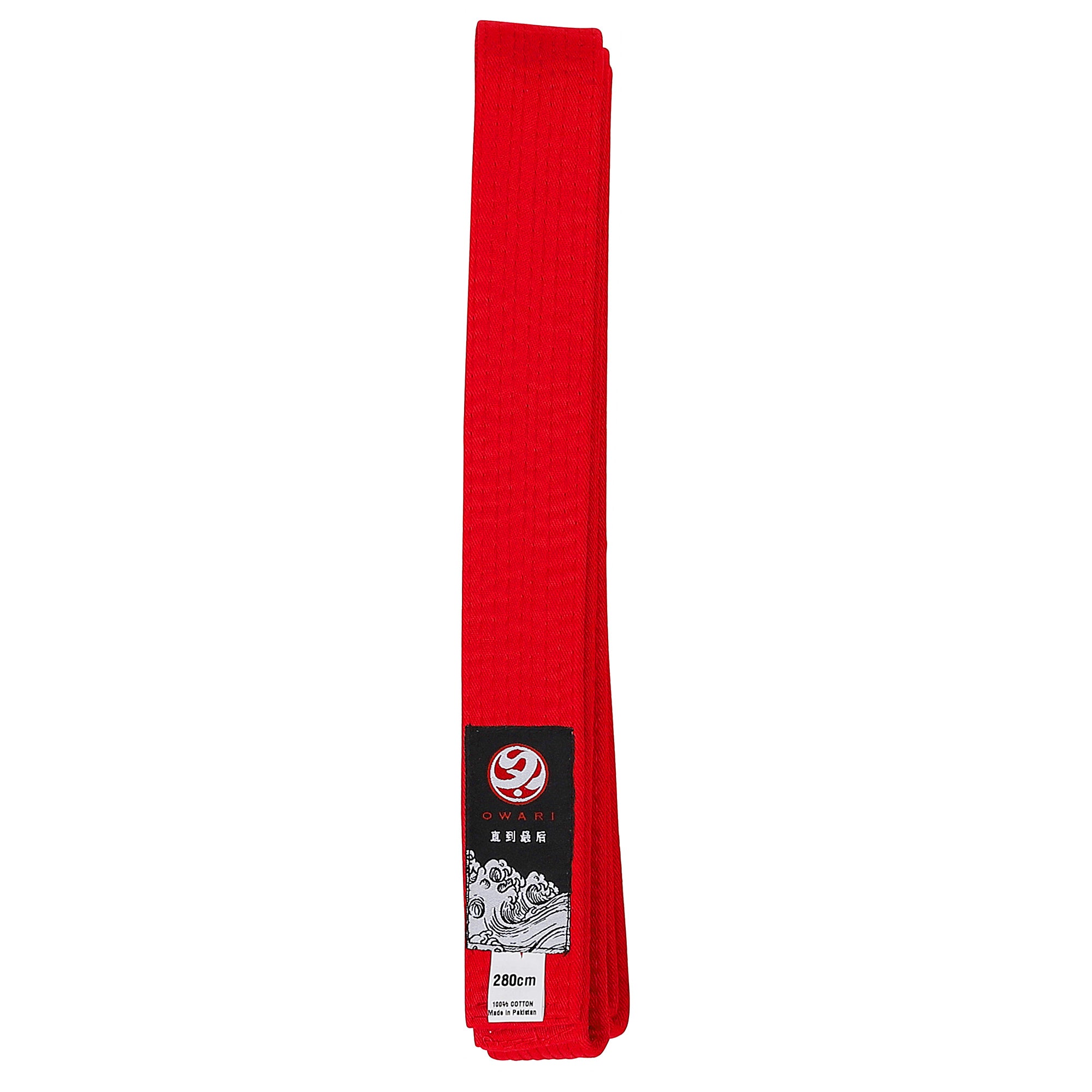
Red Belt: The Intensity

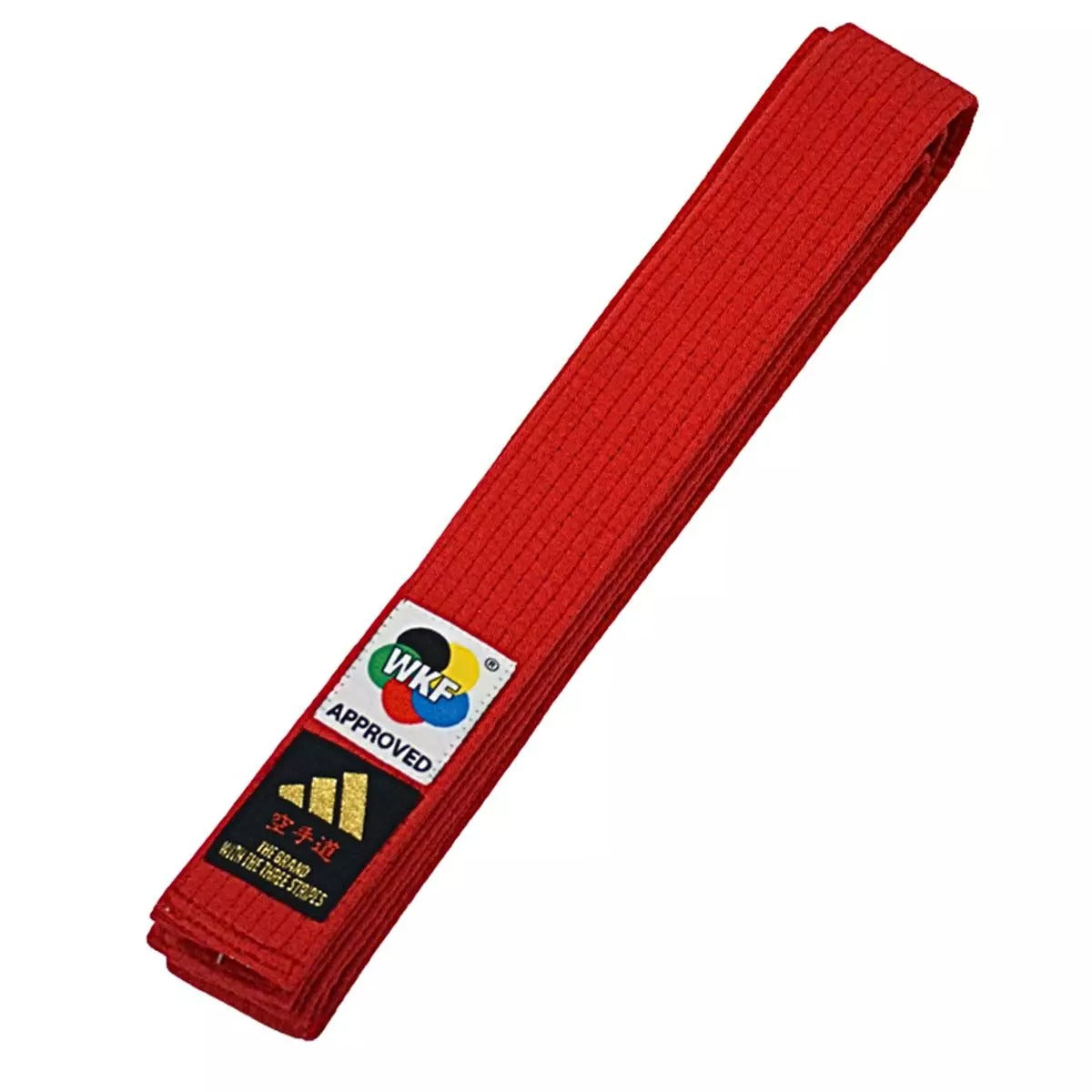
The red belt is not universally recognized in all karate schools, but it often signifies a high level of proficiency and intensity. Red belt practitioners have demonstrated exceptional skill and are on the brink of achieving black belt status.

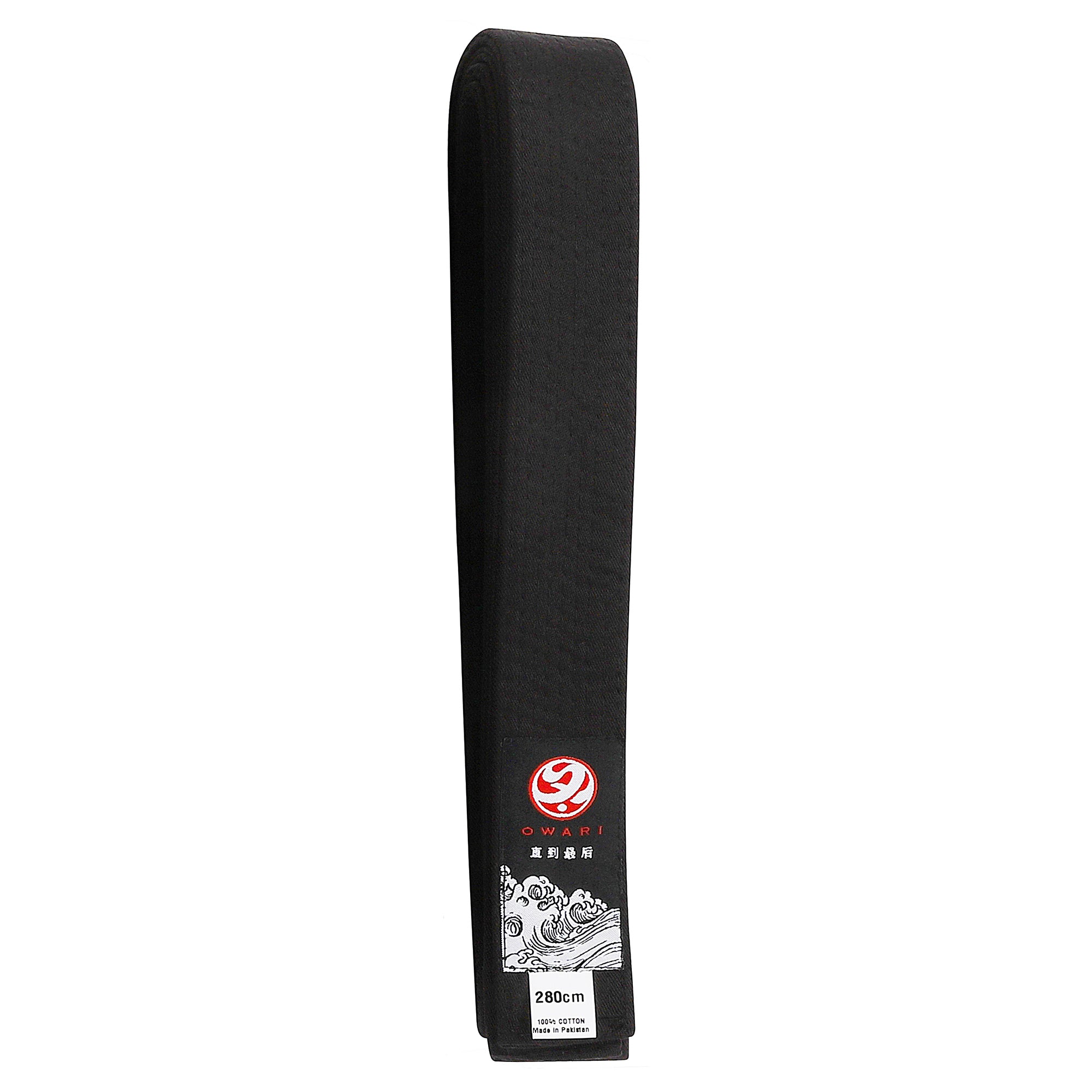
Black Belt: The Culmination

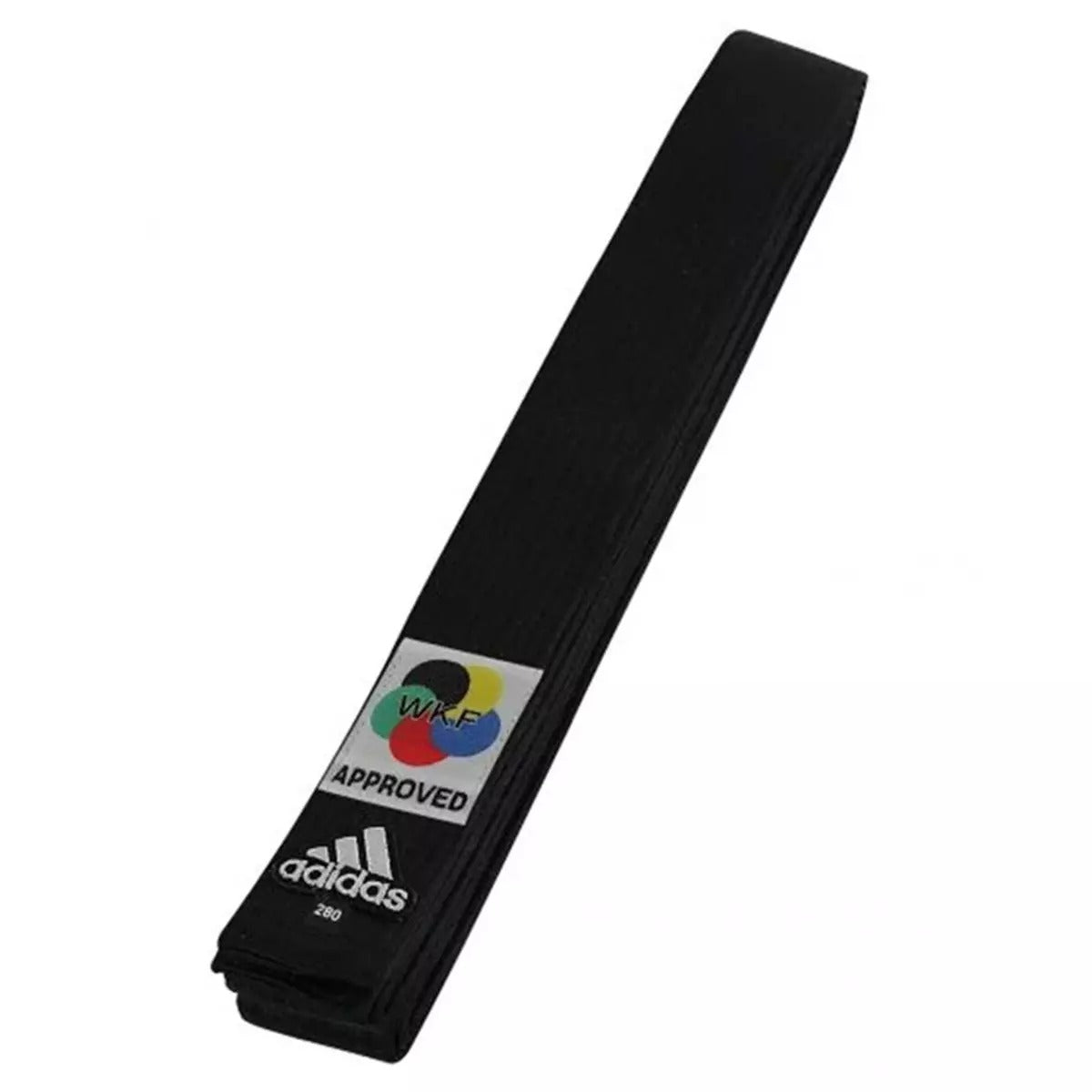
The black belt is the pinnacle of karate achievement, representing a high level of expertise and commitment. However, it is not the end of the journey; rather, it marks a new beginning. Black belt practitioners continue to refine their skills and mentor others, embodying the true spirit of karate.

The Karate Belt Grading System

The grading system in karate, known as "kyu" for colored belts and "dan" for black belts, is used to assess a student's progress. Each belt level requires the student to demonstrate proficiency in specific techniques, forms (kata), and sparring (kumite).

How Grading Works

Grading is typically conducted through examinations, where students perform techniques and katas in front of a panel of instructors. These assessments are designed to evaluate the student's skill, discipline, and understanding of karate principles. Successful candidates are awarded the next belt in the sequence.

The Importance of Consistency

Consistency is key in karate training. Regular practice and dedication are essential for progressing through the ranks. Students are encouraged to set goals, attend classes consistently, and seek feedback from instructors to enhance their skills and advance to higher belt levels.

Karate Belts in the UK

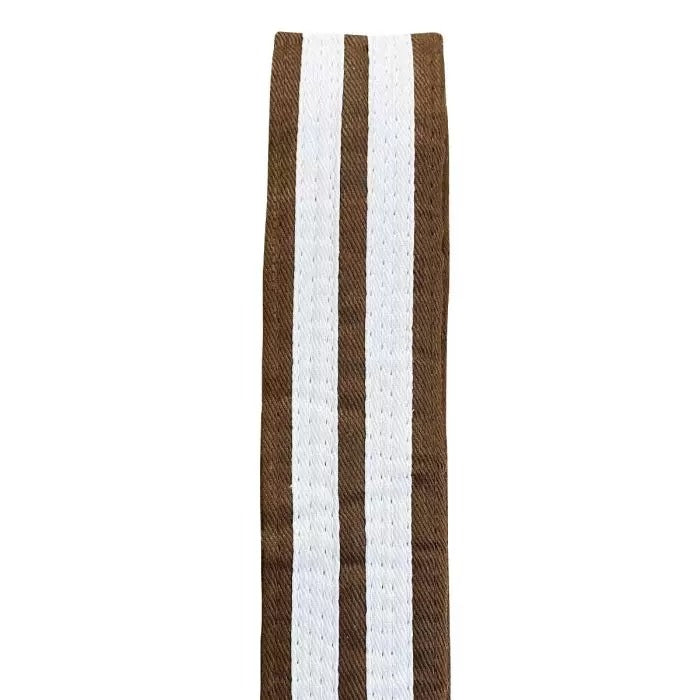
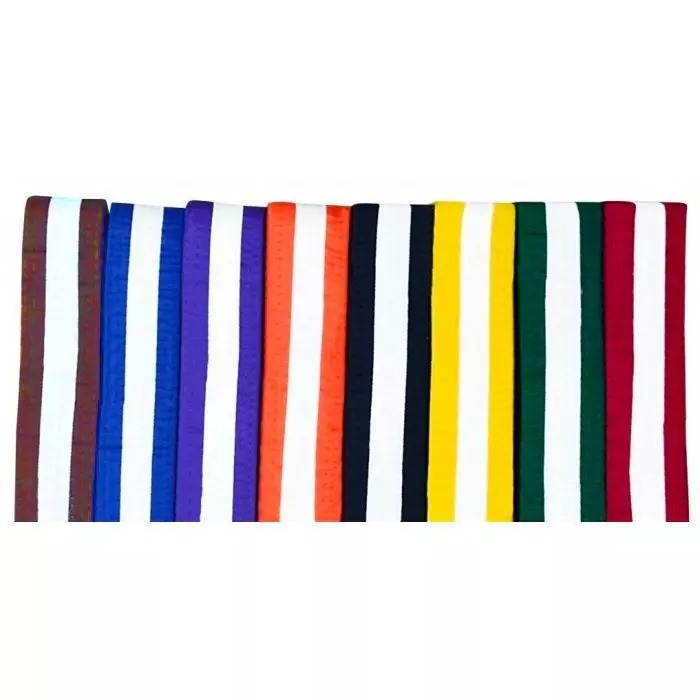
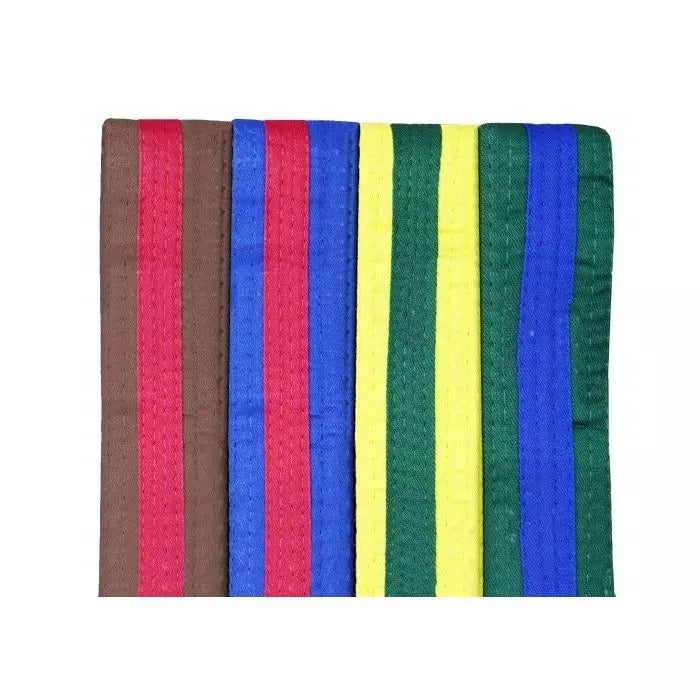
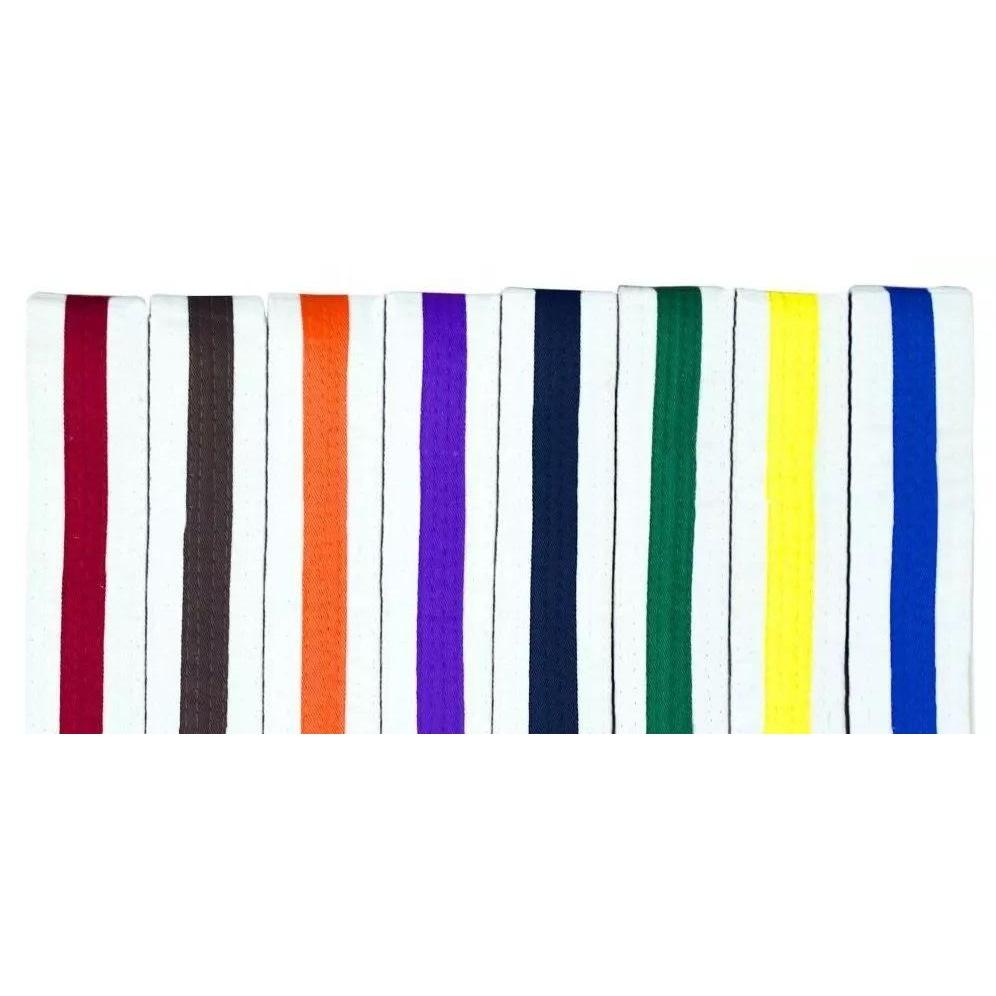
In the UK, the karate belt system follows a similar structure to that used worldwide, with slight variations depending on the specific karate style or organization. Junior karate belts often include additional colors to provide more frequent milestones for younger practitioners.

Junior Karate Belts Order

Junior karate practitioners in the UK may follow a belt order that includes additional colours, such as white-yellow, yellow-orange, and orange-green belts. This system provides younger students with more achievable goals and helps maintain their motivation and interest in karate.

Achieving Success in Karate

Success in karate is not solely about attaining a black belt. It is about personal growth, discipline, and the lifelong pursuit of mastery. Here are some tips for achieving success in your karate journey:

Set Clear Goals: Define what you want to achieve in karate and work consistently towards those goals.
Practice Regularly: Consistent practice is essential for improvement and progression through the belt ranks.
Seek Feedback: Listen to your instructors and peers, and use their feedback to enhance your skills.
Embrace Challenges: View each challenge as an opportunity to grow and learn.
Stay Humble: Remember that karate is a lifelong journey, and there is always more to learn.


Conclusion

The karate belt system is a vital aspect of the martial arts journey, providing structure, motivation, and a sense of achievement for practitioners. Understanding the significance of each belt colour and the grading system can enhance your appreciation of karate and inspire you to reach new heights in your martial arts practice.

Whether you're a beginner starting with a white belt or an advanced practitioner striving for a black belt, the path of karate is one of continuous growth and self-discovery. Embrace the journey, and let the belts be your guide.